
Roll, Cut, Play: Tiny Tabletop Worlds at Your Fingertips

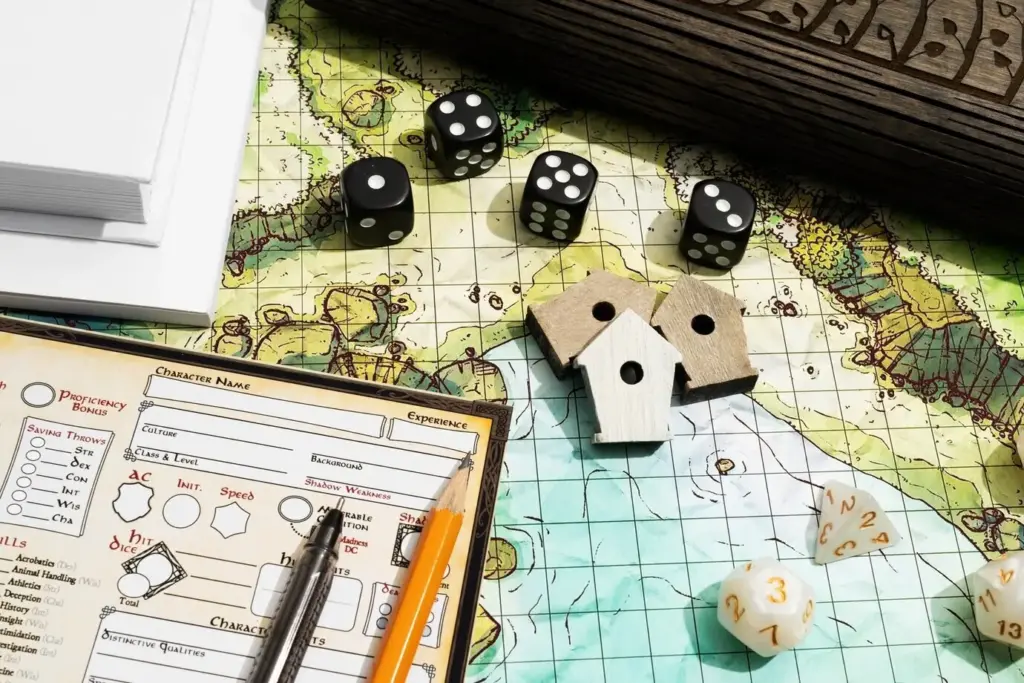
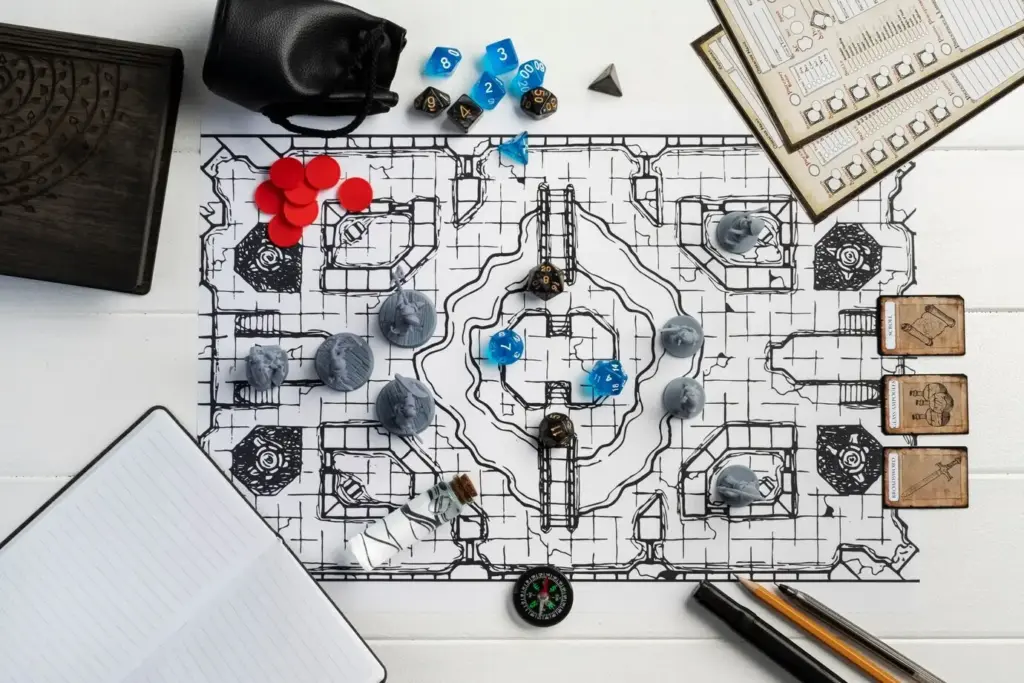
Tonight we dive into One-Page Print-and-Play Board Games, celebrating compact adventures you can download, print, snip, and start within minutes. Explore practical printing tricks, elegant design patterns, rapid playtesting habits, and heartfelt anecdotes from travelers, teachers, and families who transformed ordinary paper, pencils, and a couple of dice into memorable gatherings. Bring curiosity and scissors; leave with portable joy. Share your builds, ask questions, and help choose which designs we prototype next by commenting, subscribing, and voting on upcoming micro challenges.

Design Within Delightful Constraints

Working inside a single page sparks inventive decisions about space, readability, and tactile rhythm. Treat margins as tools, corners as components, and whitespace as breath for the eyes. We will look at how goals, action economy, and icon clarity produce surprising depth without clutter, so your print feels effortless to parse yet rewarding to master. Expect concrete tips, example sketches, and small prompts to test immediately at your table and refine within a single evening of curious tinkering.

Print and Prepare Without Fuss

Great sessions start with painless setup. Whether your printer is ancient or brand-new, a few tweaks can rescue detail, align cut marks, and keep colors honest. We will compare paper weights, discuss borderless pitfalls, and outline safe cutting habits that favor speed over perfection. You will also learn quick alternatives—sleeves, coins, and reusable dry-erase layers—that minimize crafting while maximizing durability, so you can pack games for travel, classrooms, or a spontaneous cafe break.

Mechanisms That Shine in One Page

Some mechanisms thrive under constraints. Roll-and-write structures convert dice into delicious dilemmas, while multi-use cards squeeze versatility from every corner. Micro dexterity, push-your-luck ladders, and tiny spatial puzzles offer momentum without bloat. We will highlight patterns that bring table talk, fairness, and suspense using only a sheet, a pencil, and shared dice. Expect examples, pitfalls, and simple templates you can remix into your own pocket-sized marvels.

Playtest Faster, Iterate Smarter

Small pages encourage bold bets because revisions are cheap. Print three variants, circle the winner with a marker, and share a photo for feedback before committing to polish. We will explore quick surveys, targeted questions, and how to watch faces for confusion spikes. Learn to log results, compare metrics, and decide whether adjustments belong in numbers, layout, or teaching. Combining lightweight discipline with playful curiosity accelerates delightful breakthroughs.

Tight Feedback Loops

Great iteration feels rhythmic. Schedule tiny goals, like improving turn clarity or nudging average scores. After each two plays, change one variable only, and note emotions, not just results. Ask players to narrate decisions aloud. Their language reveals hidden rules and misleading icons. A 24-hour loop—print, test, adjust, repeat—beats week-long overthinking, and keeps momentum alive when inspiration flickers during busy work weeks.

Remote Sessions and Shared Sheets

Remote testing works beautifully here. Share a printable PDF and a quick-start image that highlights setup. Use a video call and top-down camera, or a shared whiteboard for rolling and marking. Consider layered files so testers can toggle help labels. Post a one-page survey with five sharply focused questions. The goal is speed and empathy: collect human reactions early, while tweaks are still fast and courage remains high.

Versioning, Changelogs, and Baselines

Treat your files like living organisms. Stamp clear version numbers, archive old rules, and maintain a changelog that explains intent behind tweaks. Keep a baseline build to sanity-check experiments. If a spicy idea performs worse, revert without drama and move on. When you finally publish, players appreciate seeing the journey and understand why certain compromises exist. Transparency builds trust and invites thoughtful, enthusiastic collaboration.

Tiny Epics: Stories From the Table

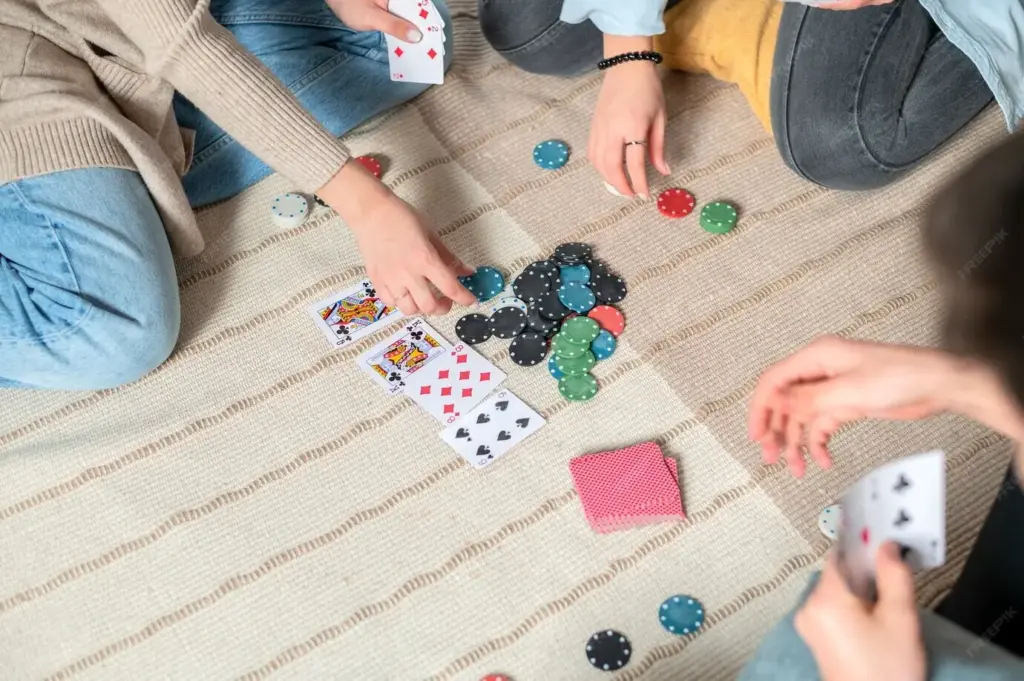
Paper can surprise you. We have heard about hospital waiting rooms turned cheerful arenas, hostels where strangers bonded over pencil scratches, and cousins discovering shared bravado while dodging imaginary meteors. Compact games travel where boxes cannot, smoothing awkward silences and gifting families a fresh ritual. These vignettes celebrate small stakes with big feelings, reminding us that delightful play often hides in a backpack pocket beside a notebook and snack.

Keep It Fresh With Variants and Community Challenges

Longevity blossoms when curiosity is invited. We will outline modular objectives, daily seeds, and gentle campaign arcs that fit inside margins or live on a linked page. You will also find prompts for monthly community challenges, with polls, print packs, and showcases. Bring your hacks, comment with bold variants, and subscribe for early prototypes. Together we can turn tiny sparks into a shared library of delightful micro experiences.

01

Variable Setups From One Layout

One layout can host many adventures. Introduce alternate objectives, seasonal events, or asymmetric roles through a small legend and optional markers. Seed setups with a daily number from the date, or roll two dice to spawn obstacles. Publish three quick scenarios that remix the same track order. These layers keep learning light while renewing surprise, making repeat sessions feel fresh without changing a single cut line.

02

Achievements, Legacy Marks, and Seasonal Events

Add gentle memory with achievement boxes, campaign envelopes, and persistent rivalries. Let players scratch tiny circles when legendary feats occur, unlocking cosmetic stickers or a playful rule bend. Rotate in seasonal challenges that celebrate holidays or local landmarks. Keep permanence reversible so newcomers feel welcome. A little ceremony—naming captains, stamping scores—turns lightweight sessions into cherished rituals that resurface whenever guests arrive early or trains run late.

03

Share, Subscribe, and Jam With Us

Your voice matters. Share photos of table setups, suggest constraints for our next design jam, and vote on which prototypes receive polish. Subscribe for a monthly print pack and behind-the-scenes notes, then reply with your results and questions. We compile community favorites and credit clever variants in future updates. Collaboration multiplies creativity, letting a single sheet gather warm fingerprints from kitchens, buses, classrooms, and distant hostels.


Tuletofipuvo
Privacy Overview

This website uses cookies so that we can provide you with the best user experience possible. Cookie information is stored in your browser and performs functions such as recognising you when you return to our website and helping our team to understand which sections of the website you find most interesting and useful.