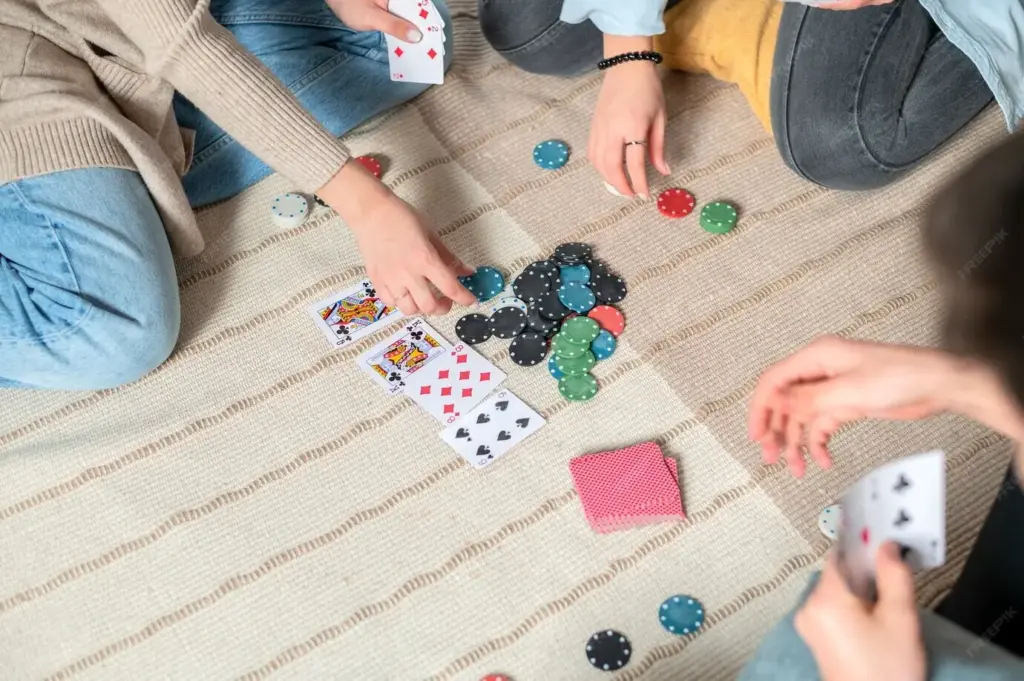

One Page, Many Voices: Hosting a Joyful Print‑and‑Play Jam
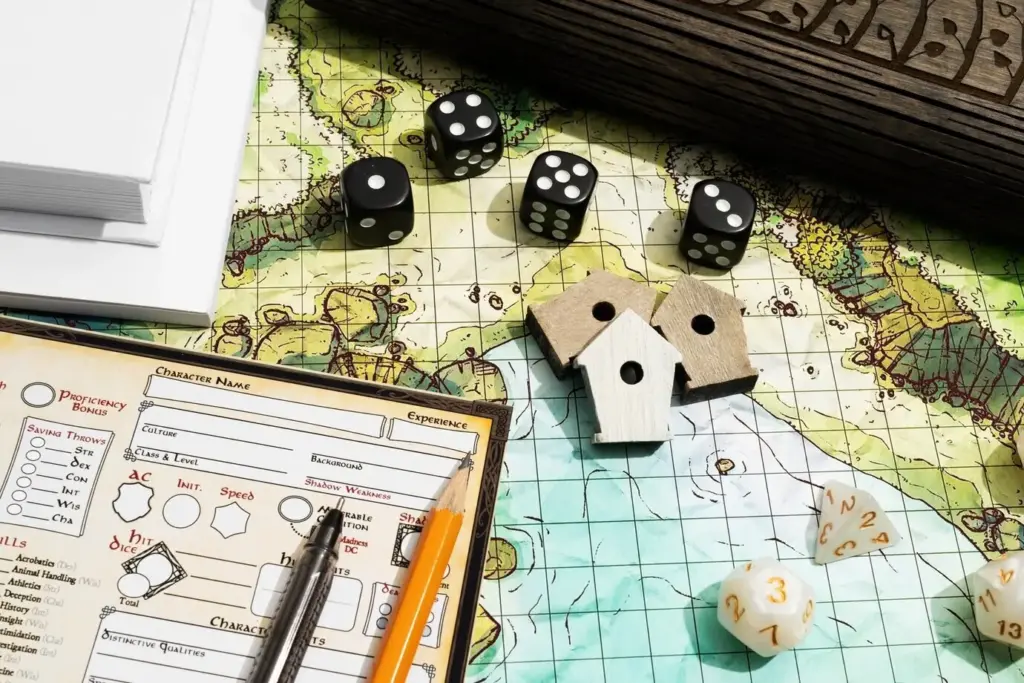
Today we dive into running a community game jam for one‑page print‑and‑play designs, celebrating constraints that spark creativity, approachable production, and inclusive collaboration. Expect practical guidance, heartfelt stories, and resources to help you invite newcomers, empower veterans, and transform one sheet of paper into unforgettable tabletop experiences together.

Kickoff Momentum and Welcoming Culture

The first message sets the tone, so craft an announcement that radiates openness, clarifies expectations, and invites playful experimentation. Highlight that a single page lowers barriers, keeps printing simple, and encourages iteration. Promise kindness, accessible feedback, and a supportive space where beginners and experts can co‑create without fear of failure or perfectionism.

Crafting the One‑Page Experience

One sheet can carry rules, components, and evocative tone if you prioritize clarity and usability. Think about ink coverage, fold lines, and tactile flow at the table. Invite designers to prototype quickly, print often, and learn from real play. The page becomes a tiny stage where every symbol, word, and cut line matters.

Layouts That Print Beautifully on Home Printers

Recommend generous margins, high‑contrast palettes, and limited solid fills to save ink. Offer alternate versions for letter and A4 sizes. Include trim marks, fold guides, and test squares. Encourage a quick, low‑ink draft pass before final export. Ask readers to share their printer settings and paper choices so others can replicate dependable results.

Icons, Microcopy, and Clarity in a Breath of Space

With few words available, each sentence must carry purpose. Prefer active verbs, consistent terminology, and examples that show rather than tell. Design icons that communicate state changes or actions at a glance. Provide a learning arc on the page—setup, turn flow, resolution—so new players can teach themselves without external references or long explanations.

Variants and Accessibility Without Extra Pages

Offer optional difficulty modes or solo tweaks via small toggles, not sprawling appendices. Use color‑independent cues, readable fonts, and adequate contrast. Add a tiny QR linking to alt‑text, screen‑reader rules, or translations. Celebrate community remixes that localize content. Show that accessibility choices enhance everyone’s experience, not just those who routinely need accommodations.

Tools, Templates, and Asset Packs

Lower friction by sharing starter files and open resources. Provide templates for common software, plus a lightweight browser option for those without licenses. Curate simple icon sets, paper textures, and public‑domain art. Clarify licensing up front so creators know how to attribute, remix, and publish responsibly while still retaining authorship and creative identity.

Starter Templates in Familiar Formats

Offer letter and A4 canvases with bleed, grid layers, and safe zones. Include example typography styles, icon placeholders, and fold markers. Provide versions for Affinity, Inkscape, Figma, and Google Slides. Invite contributors to fork and improve. Ask readers to comment with their preferred tools, unlocking peer support and helpful walkthroughs for newcomers.

Open Assets and Clear Licensing Guidance

Explain Creative Commons options in plain language, highlighting attribution norms and remix permissions. Share links to public‑domain archives and icon libraries. Encourage creators to bundle a small credits box on the page. Provide a model license statement. Remind everyone that transparent usage builds trust, enables collaboration, and prevents disputes long after submissions close.

Submission Checklists That Prevent Last‑Minute Chaos
Create a single checklist covering page size, file weight, print test, readable contrast, rule order, and alt text availability. Include a quick peer glance step. Provide naming conventions and a form that captures description, player count, and safety notes. Reducing ambiguity here saves moderators time and helps entrants feel confident pressing upload.

Rapid Feedback Loops in Chats and Forums

Set up dedicated channels for rules questions, balance issues, and celebration posts. Pin prompts like “what surprised you?” and “what felt slow?” Encourage short play reports with photos. Invite designers to return revised files quickly. Small, frequent updates keep energy high and demonstrate visible progress that motivates others to keep testing generously.

Blind Tests Using Simple Printable Surveys

Provide a one‑page survey that new groups can use without meeting the designer. Ask for setup time, first‑turn confusion, rules rereads, and moments of delight. Aggregate anonymized results weekly and share patterns. Blind testing reveals clarity issues that friendly chat explanations hide, helping the final page teach itself reliably at any table.

Solo, Remote, and Low‑Ink Approaches

Offer guidance for solo simulations and quick remote sessions using cameras and tokens. Share low‑ink prototype tricks with index cards or sticky notes. Encouraging inclusive playtesting methods broadens participation for busy schedules, limited printers, or accessibility needs. Ask readers to post their clever substitutes so others can replicate scrappy, effective testing setups.
Criteria, Recognition, and Gentle Competition

Define what excellence looks like so entrants aim their efforts wisely. Prioritize clarity, originality, table usability, and replay value within the single‑page constraint. Use multiple spotlights instead of one winner, celebrating diverse strengths. Recognition, thoughtful feedback, and community showcases often mean more than prizes, yet small rewards can still spark joyful momentum.

Timeline, Logistics, and Post‑Jam Care

A clear schedule reduces anxiety and encourages steady participation. Provide a runway for brainstorming, a midpoint check‑in, and a comfortable finish window for printing tests. Prepare moderators for peak times. Afterward, organize archives, highlight favorites, and open space for thoughtful retrospectives that transform lessons learned into the next wave of joyful creativity.

Outreach, Partnerships, and Growing the Circle
Broaden participation by connecting with schools, libraries, local meetups, and online creators who love tabletop experiments. Provide ready‑to‑share posts and clear onboarding materials. Make it easy for partners to host print stations or mini showcases. Growth should feel personal and playful, expanding opportunities without diluting the intimate, supportive culture that makes everything sing.
Tuletofipuvo
Privacy Overview

This website uses cookies so that we can provide you with the best user experience possible. Cookie information is stored in your browser and performs functions such as recognising you when you return to our website and helping our team to understand which sections of the website you find most interesting and useful.